Writing on the Wall London, UK.
A design competition put forth by a collaboration of design studios from the UK. The brief was designed to prompt ideas such as making an existing everyday activity playful during the coronavirus pandemic; providing a break from work, or making work more fun; recreating a form of existing outdoor play inside the house; creating a whole new type of game; or doing something entirely different to create play. It could be for adults or children, and enable solitary play or play with family, housemates or neighbors.
The only restriction was that the design had to use in its construction, or as props, objects commonly found in the house, garden or shed.
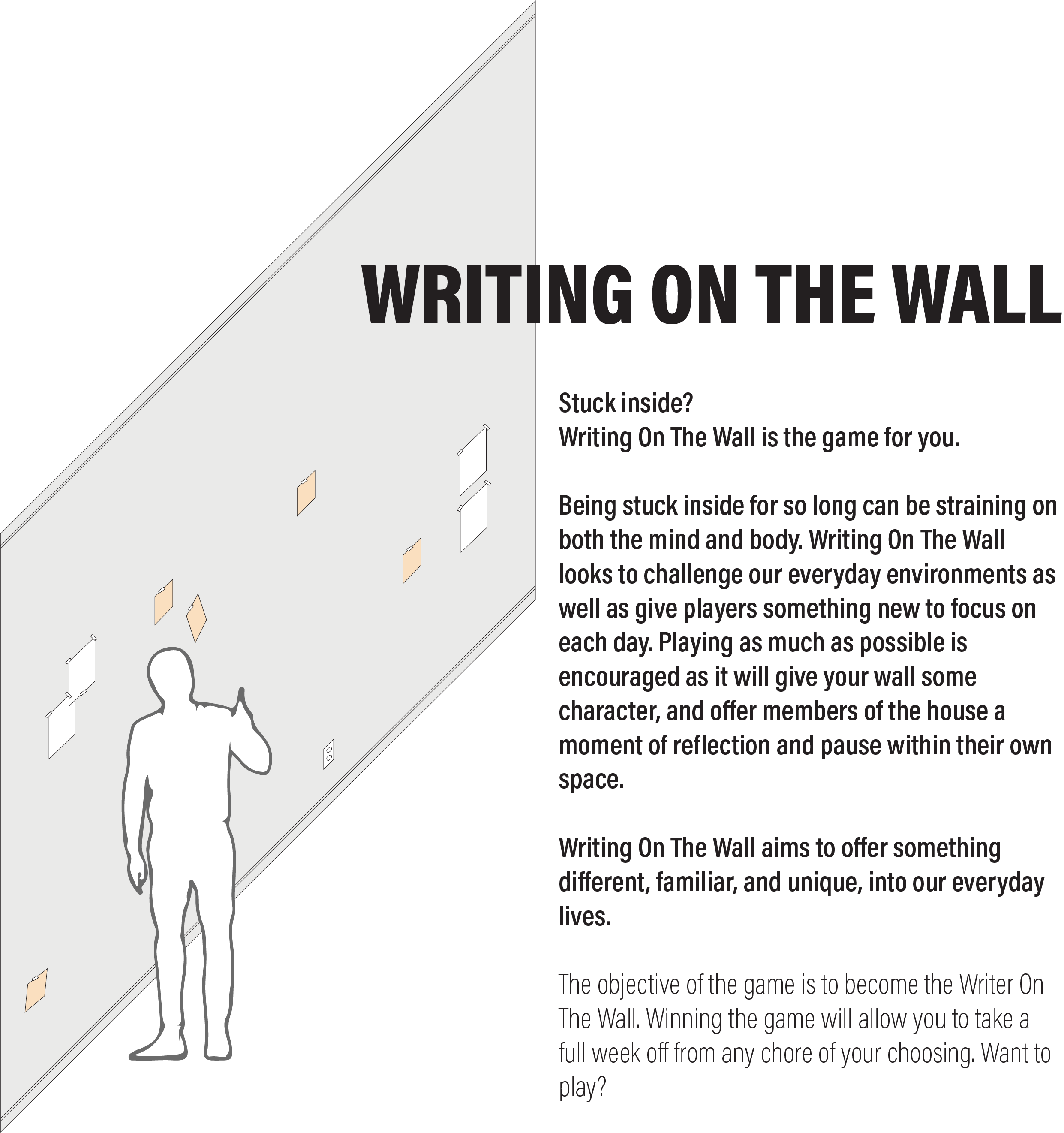
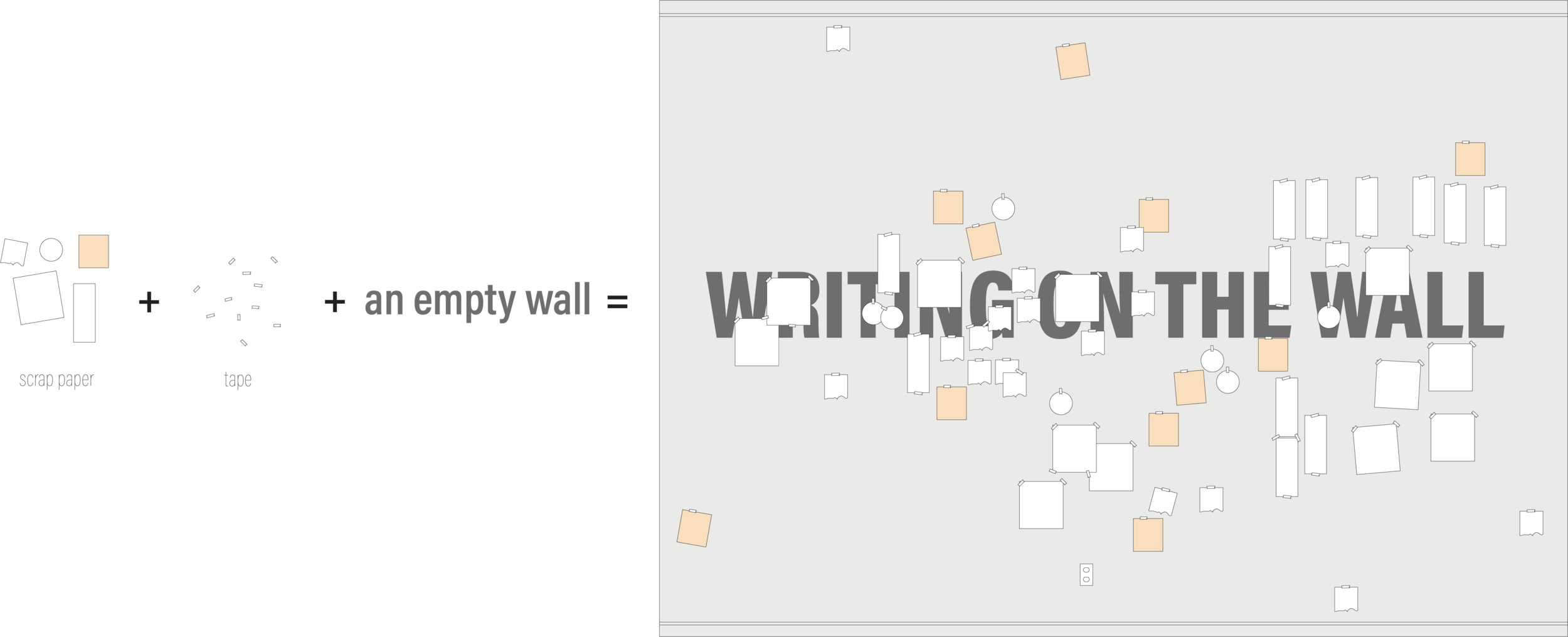
How To Play
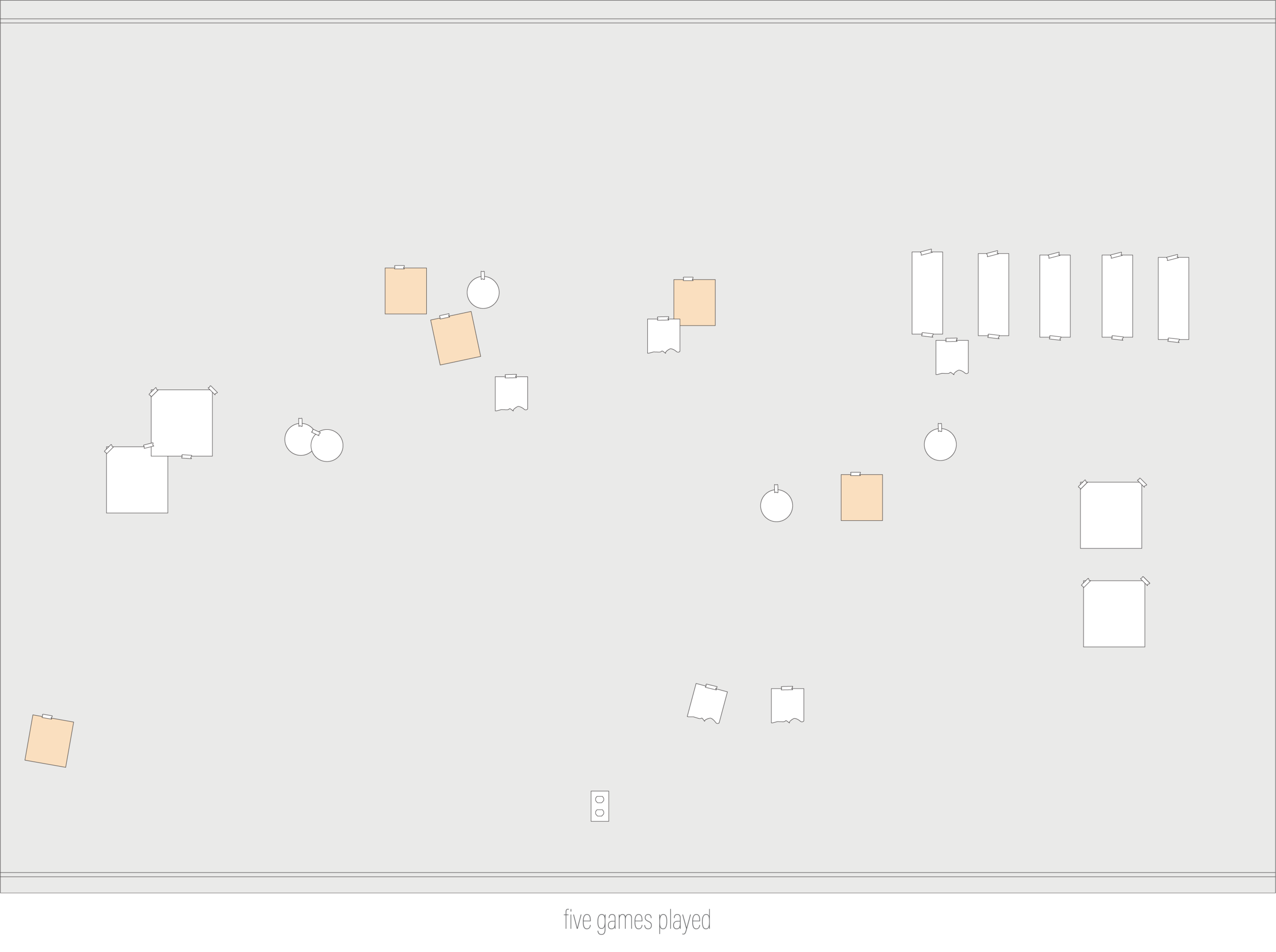
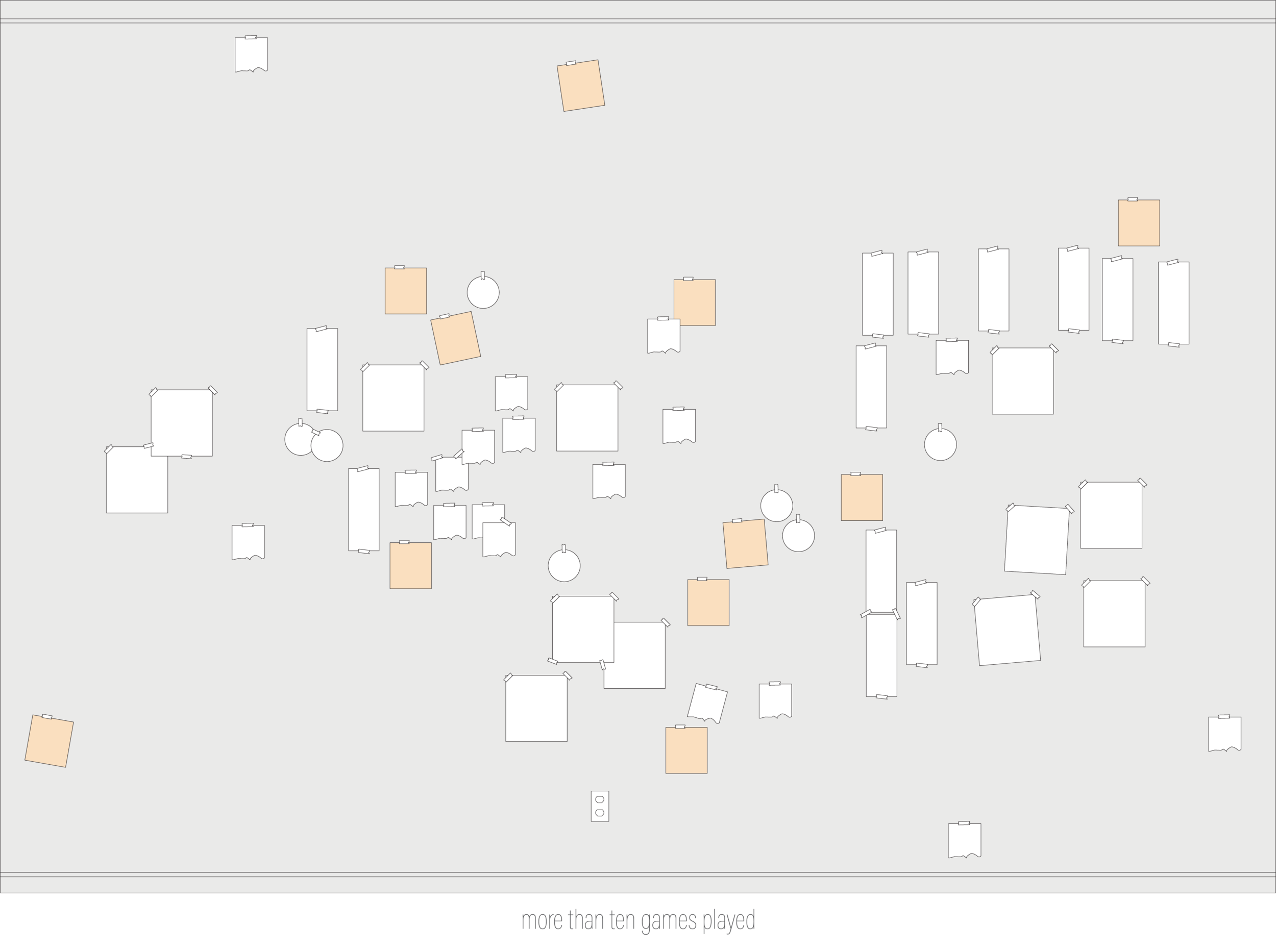
Members of the household will each have their own signature for clues. Clues are differentiated by the size and shape of paper that each player uses. For example, one player may use sticky notes while the other uses scrap paper from the printer. To start, one player a game will be giving the clues.
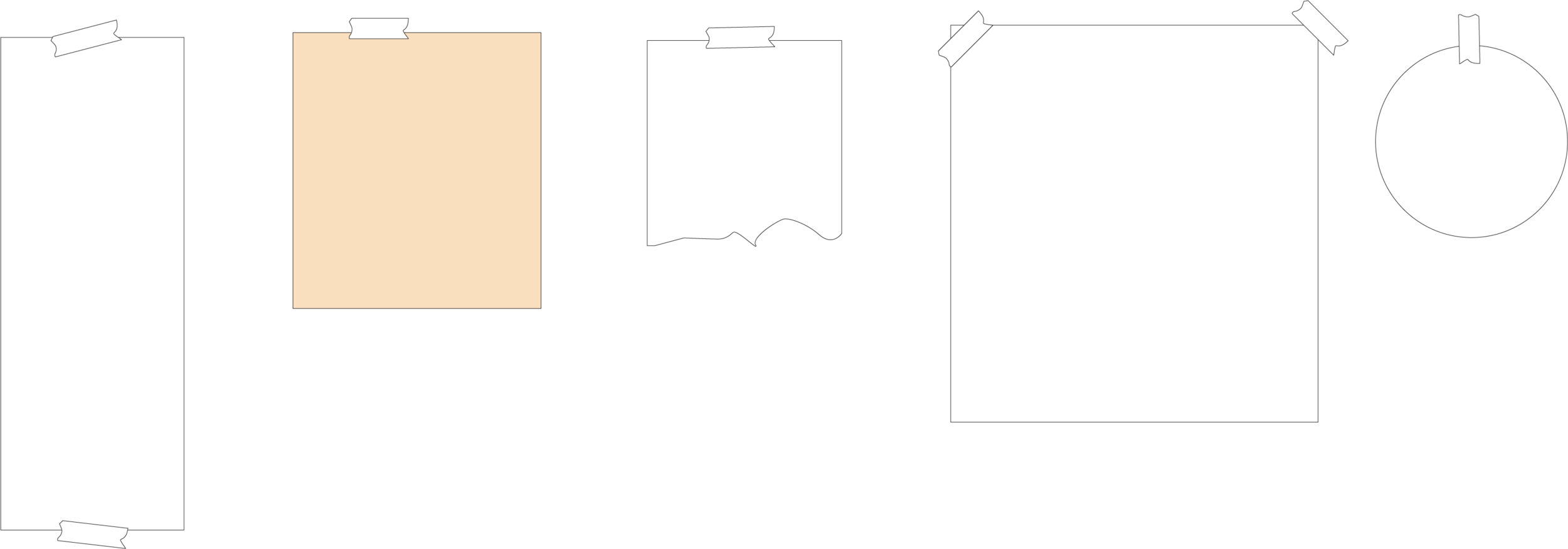
Clues to what exactly?
The player giving clues will take a personal item of their own, and hide it within the house. This player may keep their personal item in plain site, buried in the garden, or tucked into an unusual place. It is up to the player how they would like to proceed. The only rule regarding the hiding of this personal item is that once it has been hidden it cannot be moved or replaced until it has been found.
Clues to the whereabouts of the personal item can be as literal or as ambiguous as they choose. Anything goes. The point is to deceive your household members and not let them find your hidden item.
You found the hidden item?
Once a player has found the hidden item then that player is considered the winner, the Writer on the Wall, and will get to choose a chore they do not have to do for the week. The winner of the game will become the Writer on the Wall for the next game, so that everyone has a fair chance to become the next Writer. The only way for a player to win back-to-back games is if no other players find the hidden item by the end of the game.
If this happens, then the Writer can either leave their personal item hidden and continue to give clues to its whereabouts, or start over with a new item. It is up to them and they do not have to tell you which they choose.
How long should we play?
Household members may determine if they want a short or a long game. A long game goes on for 5 full days. The Writer will leave one clue a day. If a hidden item is found on, for example, the second day, then the next game can begin on the following day. A short game is only a day long. The Writer can leave as many clues as they would like to throughout the day.
Tips and Tricks
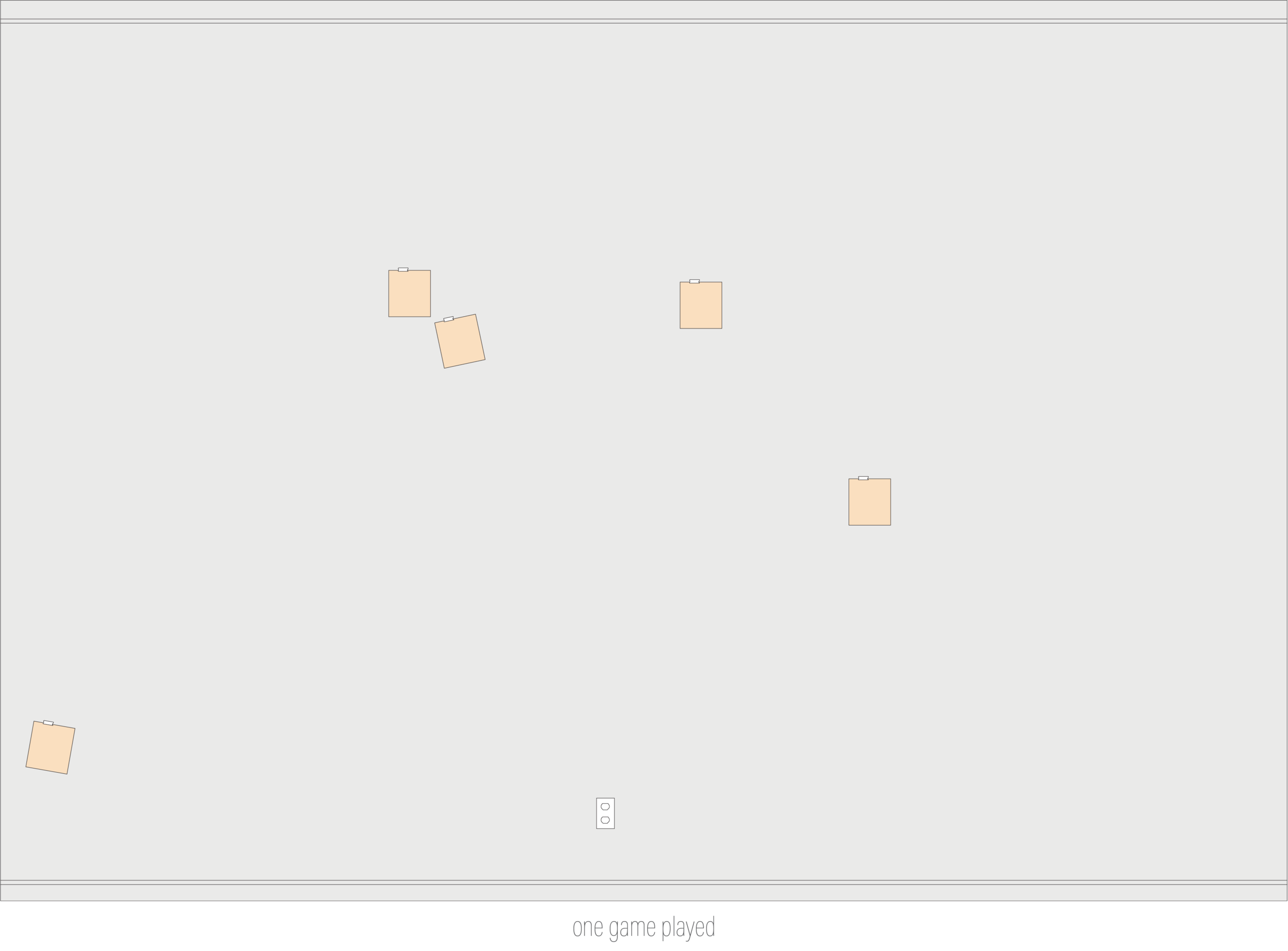
If you are caught looking for the hidden item by the Writer, then you are out of the game, and cannot play again until a new game is started. So, be sneaky, and don’t get caught! Although it might start to look cluttered, leaving all clues from past games will work to you advantage in that players may have to take some time to even find the clue that you have written on the wall.
This work has been published in the Playhouse Book.
“#Intellectual and #Exploratory”